Meet. Learn. Meet again.
Every team faces each opponent twice in Bo3s. That second meeting tests adaptation and gives players a longer record of coached team competition and online broadcast experience.
Ten city teams. One season to prove what local identity can do for players, fans and the wider competitive scene.
 Concept art / Phoenix Sun Runners
A season creates structured matches, coaching feedback and game film for players who want to take the next step.
Players are the start. Teams also need coaches, analysts, managers, broadcasters, production crews and local hosts.
A city gives the season a home story. Fans can choose a side, meet each other and follow a roster across weeks.
Before there is a league season, there is a combine. The plan is to invite high Elo players and aspiring esports professionals into one recruitment event, discover the people who will build the teams and the show, then give them a season in which to develop.
Our first major event is a small-scale combine tournament, inviting high Elo players to apply for a place in a future major independent Tier 2 development league. It is the first step toward building the ten city teams.
Applicants choose the role they want to pursue. Players enter the competitive evaluation pool; coaches, analysts, broadcast talent, production staff and other team personnel apply through the same recruitment drive, with evaluations suited to their work.
The combine needs its own planning and production period. Eligibility, tournament rules, city selection order and role balance will be published before applications open.
We want the development value of a full double round robin, delivered at a pace players and fans can stay with. Two main broadcast blocks plus a rotating Feature Night complete the 90-series season in 15 weeks, compared with 18 weeks when every team plays one series each week.
Every team faces each opponent twice in Bo3s. That second meeting tests adaptation and gives players a longer record of coached team competition and online broadcast experience.
Six series per week move the season forward faster than a five-series weekly slate. Each team has three weeks with a second series, alongside twelve weeks with one series.
A dedicated two-match show gives four teams the spotlight, room for deeper player stories and a different broadcast feel. The rotation brings every city into that signature slot equally.
Two Bo3s
Four teams play once
Two Bo3s
Four teams play once
Two Bo3s
Two teams open; two teams return
Two Bo3s put four teams on the main broadcast. Each plays its first series of the week; the calendar rotates which of these teams later returns on Feature Night.
The master calendar cycles the main-slate and Feature Night assignments while preserving two meetings against every opponent. No city gets extra series or extra Feature Night exposure. Actual match days and the season window remain to be decided.
The city gives the team a name and a place to gather. Players can come from anywhere. The first ten markets are a creative starting slate, not a claim that we have measured city-by-city player supply.
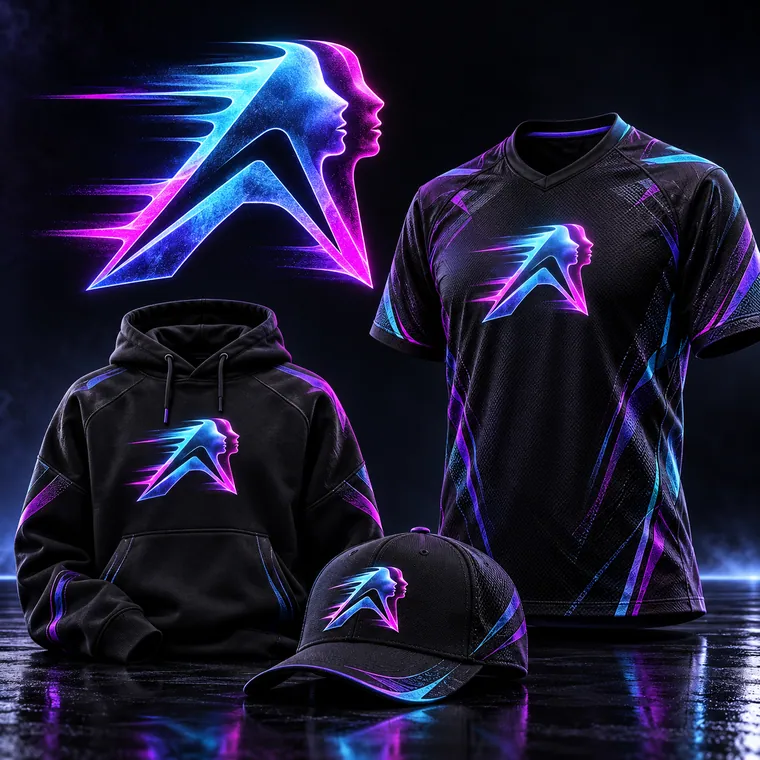
A mark that stays with you after the game ends.
*Cleveland Ironclads is a provisional name. Virginia and Michigan are the first expansion candidates raised in planning.
Our plan is to recruit a dedicated local host in each team city. That host will organize watch parties for our league and LCS matches throughout the year, giving fans a consistent place to enjoy high-level League of Legends and build connections across the scene.
The local host owns the event calendar, venue relationships and on-site experience, with support from league operations and the city team. This is an organized part of the league plan, with an accountable person building continuity from one gathering to the next.
The local host plans viewing nights around the city team’s matches, coordinates the venue and match presentation, and brings fans into the team’s story. Player appearances and community activities can deepen that connection as the program develops.
The same host schedules LCS watch parties throughout the year. Established LCS fans, developing players and new viewers share a room, follow top North American competition and stay connected between our own league’s seasons.
A regular local gathering gives players, coaches, casters and organizers somewhere to build roots, meet collaborators and put faces to names. As those relationships grow, emerging talent has more chances to show its work and be discovered.
Both would be independently organized community events. Any LCS watch-party use of game footage, Riot marks, sponsors or promotion must follow Riot’s current community competition and event rules. No official partnership is implied.
Our content plan starts before the first league match: a dedicated travelling documentary crew will follow the work of creating the league, city by city and person by person. The audience gets to meet the people building it while the competition is still taking shape.
The series will document finding the players, staging the combine, recruiting and developing broadcast talent, building coaches and teams, finding local hosts and setting up the systems that connect all of them. A dedicated field and editing crew will capture the travel, interviews and key moments, supported by remote access to practice and development.
Release episodes and shorter profiles around recruitment, the combine and the people creating each city team.
Show early scrims, coaching, broadcast rehearsals, local host preparations and the work behind the competition.
Lead the audience into the official league broadcast with familiar players and rivalries, then continue the documentary alongside the season.
The documentary builds the audience before the season; the broadcast gives those stories a competitive payoff. Episodes, social cuts, player features and live segments become one connected content pipeline.
Our crew will follow the recruitment drive: high Elo applicants, the combine tournament, coach interviews and broadcast auditions. Episodes introduce the people chasing a place and the team building the selection process.
Content participation should be clear and consent-based. Scouting, co-streaming and use of game footage depend on partner access and current rights.
The value is a connected set of moments: competition, city stories, creator content and real gatherings. Packages should fit the audience and the rules, not just add logos.
A league-wide partner can support the weekly broadcast and reach fans across all ten city identities in one consistent program.
No sponsors or commercial terms are represented as secured. Categories, placements, game marks and activations need review against Riot’s current policies before sale.
Local wins can feed a stronger shared pool.
Build three revenue lines that can support one another: tournament operations, a media and production arm, and the league with its city teams. The legal structure can follow once the economics are designed.
League sponsorship, broadcast inventory, memberships and league merchandise can support a shared operating base.
Local sponsors, team merch and watch-party relationships give each city a reason to build its own community.
Set a clear, pre-season contribution from team-generated revenue to the league and prize pool.
Publish the agreed rules for team retention, shared operations and prize funding. Report the season result.
Make the first season a real test of player supply, audience habits, partner demand and operating cost. Add travel and physical infrastructure only when the model can support it.
Confirm event classification, publish competition and participant rules, line up the people and production to deliver.
01Open the combine, build ten rosters and run the online double round robin through a six-team playoff.
02Test watch parties and a selected live final with local venues and partners before making travel routine.
03Team houses, roadshows and home/away play become options only with stable revenue, partners and safeguards.
04Next cities raised in planning: Virginia and Michigan. Add markets when opt-in demand and local operating partners support them.
This league is designed to add opportunities alongside the LCS and NACL. It does not change either league, claim official Tier 2 status or promise a direct promotion route.
Reference points: LCS 2026 address · NACL 2026 update · Riot Community Competition Guidelines · Riot API policy.
We’re looking for honest feedback on the format, people who can help navigate Riot’s rules, and partners who want to explore what a city-based League community could become.
Back to the beginning ↑What could this unlock for players and the wider scene?
What risks are we underestimating?
Who should help us validate rules, production, local events and sponsor fit?
Would you advise, introduce, host, build or partner?